







Domain valuation is the process of determining how much a website address is worth before you buy or sell it. Understanding what drives domain prices helps you avoid overpaying for a bad investment or underselling a valuable digital asset.
Whether you’re a first-time buyer or experienced investor, knowing how to evaluate domains properly can save you thousands of dollars and help you make smarter purchasing decisions.
Understanding Domain Value Basics
Domain appraisal involves analyzing multiple factors that influence a web address’s market price. Think of it like real estate: location, features, and demand all matter. A premium domain with the right characteristics can sell for anywhere from a few hundred to millions of dollars. 
The difference between registration cost ($10-15/year) and resale value can be enormous. Short, memorable domains in popular industries often command premium prices because they’re easier to brand and market. The key is understanding which factors truly matter in domain pricing.
What Determines Domain Worth?
Length and Memorability
Short domains are significantly more valuable than long ones. Domain worth increases dramatically when you reduce character count because shorter names are easier to remember, type, and share. One or two-word domains typically outperform multi-word alternatives in both usability and market value.
Consider that most Fortune 500 companies use domains under 10 characters. This pattern reflects user preference for simplicity. A domain like “tech.com” naturally holds more value than “technologywebsiteportal.com” because it’s instantly memorable and versatile.
Keyword Relevance and Search Power
Domains containing high-value keywords benefit from built-in SEO advantages and instant clarity about your business. When someone sees “insurance.com” or “loans.com,” they immediately understand the site’s purpose. This SEO value translates directly into higher appraisal numbers.
Exact match domains (EMDs) that align with popular search terms can generate type-in traffic naturally. However, brandability matters too. The best domains balance keyword relevance with a unique identity that stands out in crowded markets.
Domain Extension Impact
| Extension | Average Value | Best Use Case |
| .com | Highest | Global business, maximum trust |
| .net | Medium-High | Tech, networking services |
| .org | Medium | Nonprofits, organizations |
| .io | Medium | Tech startups, SaaS |
| .co | Medium-Low | Alternative to .com |
The .com extension remains king in domain market value, commanding 40-60% higher prices than alternatives. Users instinctively trust .com addresses and often default to typing them when guessing a website. Country-specific extensions (.uk, .de, .ca) perform well within their regions but limit global appeal.
Brandability Factor
A brandable domain creates instant recognition and emotional connection. Brand valuation for domains considers how easily the name rolls off the tongue, looks in logos, and sticks in memory. Names like “Spotify,” “Twitter,” or “Netflix” demonstrate perfect brandability even without dictionary words.
Generic domains have their place, but unique, pronounceable names often achieve higher valuations because they offer trademark protection and marketing flexibility. The sweet spot combines memorability with meaning relevant to your industry.
Traffic and Revenue History
Existing traffic significantly boosts domain appraisal values. Domains receiving consistent type-in visitors or ranking for valuable keywords already demonstrate market demand. Historical revenue from ads, affiliate links, or sales provides concrete evidence of monetization potential.
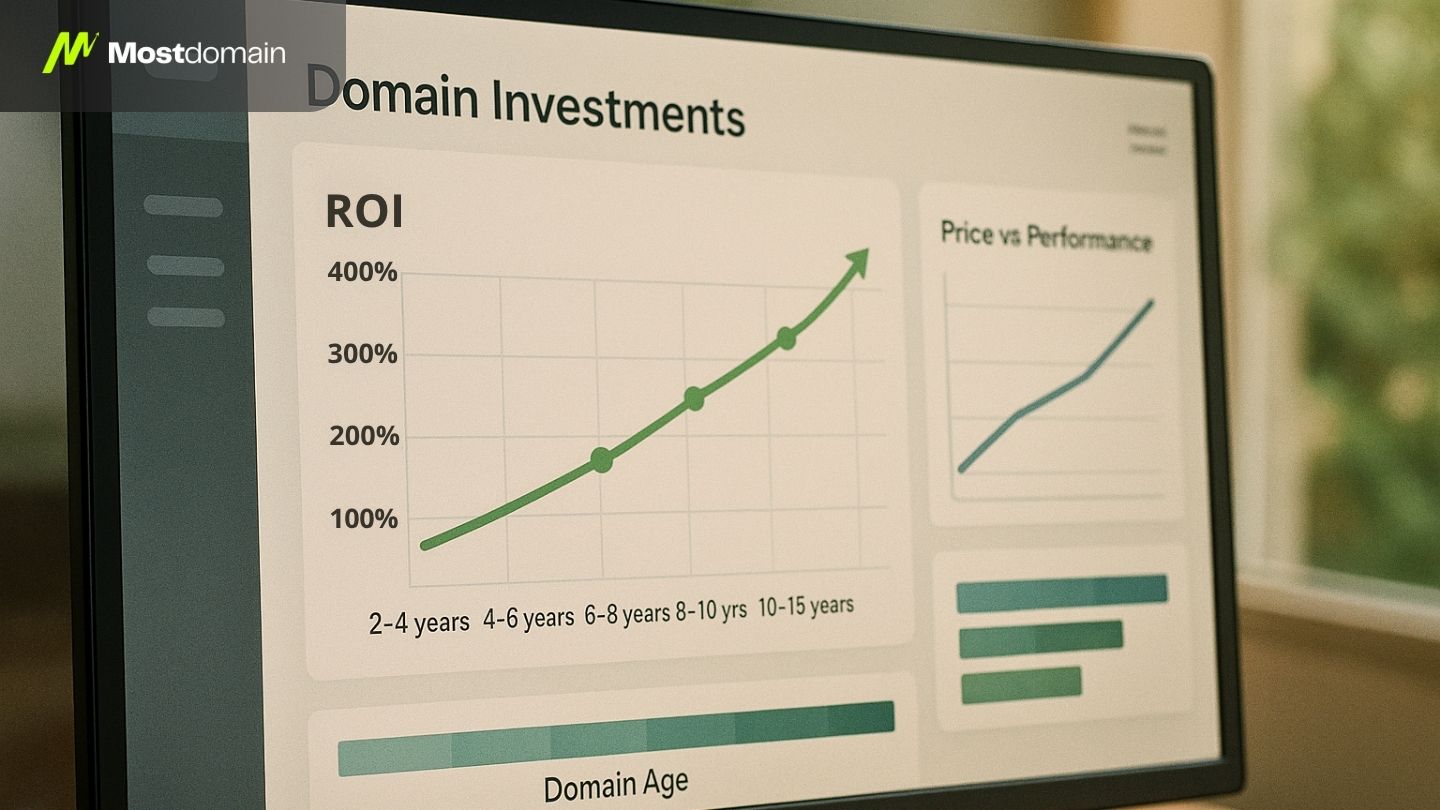
Domain age also matters because older domains typically have established backlink profiles and authority. A 10-year-old domain with clean history naturally commands higher prices than a fresh registration, all other factors being equal.
How to Evaluate Domains Effectively
Using Appraisal Tools
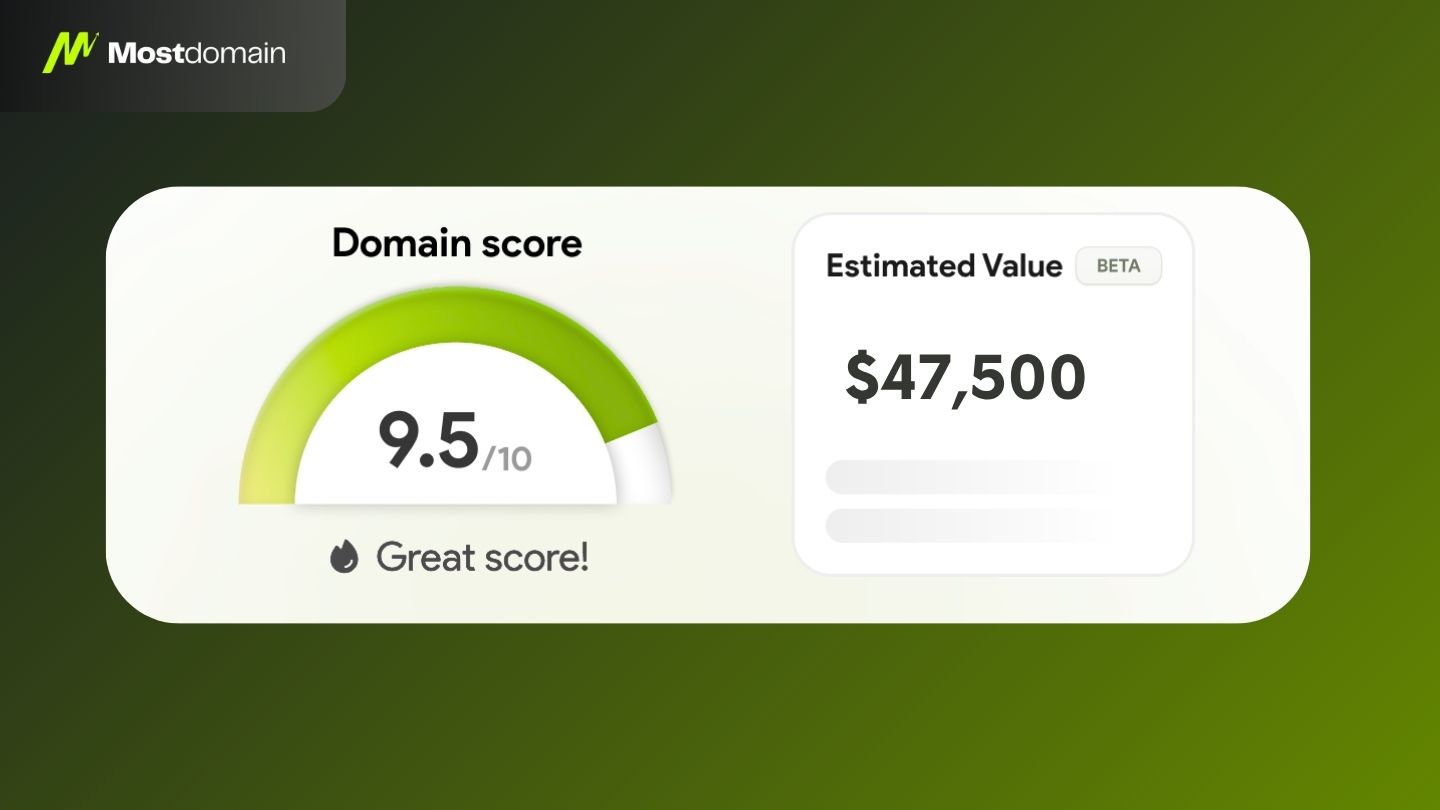
Domain appraisal tools provide quick baseline estimates using algorithms that analyze sales data and domain characteristics. Popular options include GoDaddy Appraisals, EstiBot, and NameBio. These calculators consider length, keywords, extension, and comparable sales to generate value ranges.
While automated tools offer helpful starting points, they shouldn’t be your only reference. Combine multiple tool results and apply manual judgment based on current market trends. Most professional investors use tools for initial screening, then conduct deeper analysis before making offers.
Manual Valuation Techniques
Compare recent sales of similar domains to establish realistic price expectations. Domain sales data from marketplaces like Sedo, Afternic, and Flippa reveals what buyers actually pay. Look for domains matching your target’s length, extension, and industry to find relevant comparables.
Calculate potential ROI by estimating traffic value, advertising revenue, or business impact. If a domain could bring $5,000/month in additional revenue, paying $20,000 makes financial sense. This income approach works especially well for established domains with proven traffic.
Checking Domain History
✓ Verify age using WHOIS lookup services
✓ Review past website content via Archive.org
✓ Check for penalties or spam history
✓ Analyze backlink profile quality
✓ Confirm no trademark conflicts
Clean domain history is essential for digital asset assessment. Previous owners may have engaged in spam, hosted questionable content, or violated search engine guidelines. These issues can persist even after ownership changes, affecting your site’s ability to rank and perform.
Common Valuation Mistakes
Don’t rely exclusively on automated appraisals. These tools provide estimates, not guarantees, and can’t account for subjective factors like brand fit or strategic value to specific buyers. Real domain pricing negotiations often diverge significantly from calculator predictions.
Avoid emotional decisions based on personal preferences rather than market data. What you love doesn’t necessarily translate to what buyers want or what search engines value. Stay objective and focus on metrics that influence actual transaction prices.
Never skip trademark searches before purchasing. Buying a domain that infringes existing trademarks can lead to legal disputes and forced transfers. Use USPTO’s database and Google searches to verify the name is clear for commercial use.
Your Domain Evaluation Checklist
Before finalizing any domain valuation decision, systematically review these critical factors:
✓ Length: Under 15 characters preferred
✓ Extension: .com or relevant alternative
✓ Memorability: Easy to spell and pronounce
✓ Keywords: Relevant to target industry
✓ History: Clean record, no penalties
✓ Trademark: No conflicts detected
✓ Competition: Available on social platforms
✓ Price: Aligns with comparable sales
This checklist helps ensure you’re making informed decisions based on objective criteria rather than gut feelings. Print it and reference it during every domain evaluation to maintain consistency and avoid costly mistakes.
Frequently Asked Questions
What makes a domain valuable?
Domain value comes from length, keyword relevance, extension quality, brandability, existing traffic, and clean history. Shorter, memorable .com domains in high-demand industries command premium prices.
How much should I pay for a domain?
Compare recent sales of similar domains and calculate potential ROI. Most premium domains sell between $1,000-$50,000, though exceptional names reach six or seven figures. Never pay more than the domain’s utility value to your business.
Which domain appraisal tool is most accurate?
No single tool is perfectly accurate. Use multiple services (GoDaddy, Estibot, NameBio) and compare results. Professional appraisers combine automated estimates with manual analysis of market conditions.
How do I verify domain history?
Check WHOIS records for age, review Archive.org snapshots for past content, analyze backlinks using SEMrush or Ahrefs, and search for any penalty history or spam associations.
Are short domains always more valuable?
Generally yes, but context matters. A short, meaningless domain may be worth less than a longer brandable domain with strong keyword relevance. Quality beats length when the longer name offers clear advantages.
Make Your Decision with Confidence
Domain valuation combines art and science. While tools and data provide guidance, your specific needs and budget ultimately drive the decision. Focus on domains that align with your business goals, fit your marketing strategy, and represent fair value based on comparable sales.
Start your evaluation process today using the checklist and techniques outlined above. Remember that the best domain investment balances current price with long-term potential. Take time to research thoroughly rather than rushing into purchases you might regret.
Build Your Website on a Strong Foundation
A successful website starts with the right domain.
MostDomain Premium Collection offers exclusive aged domain designed to build credibility, authority, and digital competitiveness from day one.
✅ Easier to trust
✅ SEO-ready with strong backlink history
✅ A valuable digital asset that continues to increase in investment value
Check our premium domain collection before they’re gone →
Visit Mostdomain.com
Need help choosing the right aged domain? Contact our admin on Telegram: @mostdomain_cs
References
- GoDaddy Domain Appraisal Service
- Estibot Automated Domain Valuations
- NameBio Domain Sales Database
- DNJournal Industry Reports and Analysis
- Sedo Domain Marketplace Trends
- Afternic Sales Data and Statistics
- ICANN WHOIS Database
- Internet Archive Wayback Machine