







Domain auction is one of the most effective ways to buy or sell a premium domain name online. Whether you are a startup looking for the perfect web address or an investor with unused domains to offload, knowing how domain auctions work puts you ahead of the competition.
What Is a Domain Auction
A domain auction is an online process where a domain name is sold to the highest bidder. The seller sets a starting bid, buyers compete by placing higher offers, and when the timer runs out the top bidder wins. Ownership transfers securely through an escrow service within a few business days.
Unlike a direct purchase, this process creates real competition among buyers. That competition helps sellers earn better prices and gives buyers access to premium names that are no longer available through standard registration. 
How a Domain Auction Works
The domain auction process follows a predictable sequence that most platforms share:
- Seller lists the domain with a starting bid and an optional reserve price
- Buyers place bids, each one higher than the previous
- Proxy bidding raises your offer automatically up to your set maximum
- A last-minute bid triggers an auto-extension of the closing time
- The highest bidder wins and receives the domain after payment clears through escrow
Most platforms complete the transfer within a few business days once payment is confirmed.
Types of Domain Auctions
Not every domain auction works the same way. There are three main types you will encounter online.
Expired domain auction. The original owner failed to renew the domain and it enters an open auction. These often carry existing backlinks, traffic history, and domain age, making them attractive from an SEO standpoint.
User-listed auction. The current owner lists the domain voluntarily. You compete against buyers who already recognize value in that specific name.
Backorder auction. You reserve a dropping domain before it expires. If multiple buyers want the same name, a domain auction runs automatically once it becomes available.
Best Platforms to Buy Domain Names
Choosing the right platform shapes your entire domain auction strategy. Below are the top options ranked by quality and buyer value.
| Platform | Purchase Type | Best For |
| MostDomain | Direct buy | Aged, premium domains, no bidding required |
| GoDaddy Auctions | Auction | Largest expired domain inventory |
| Sedo | Auction + Broker | International and high-value domains |
| NameJet | Auction | Pre-release and expiring domains |
| Dynadot | Auction | Budget buyers and beginners |
| Namecheap Market | Auction | Mid-range domains, lower competition |
MostDomain stands apart from every standard auction platform on this list. Rather than using competitive bidding, it sells aged, high-quality domains at a fixed price. You find the domain you want and purchase it directly, with no bidding wars, no reserve price uncertainty, and no closing time pressure.
How to Buy a Domain at Auction
Winning a domain auction takes preparation more than luck. Set a firm maximum budget before bidding opens and commit to it, no matter how competitive things get.
Use proxy bidding to stay in the lead without watching the clock. Before placing any offer, research the domain’s backlink profile, age, and prior use with tools like Ahrefs or Wayback Machine. A win only holds value if the domain carries a clean, penalty-free history.
How to Sell a Domain at Auction
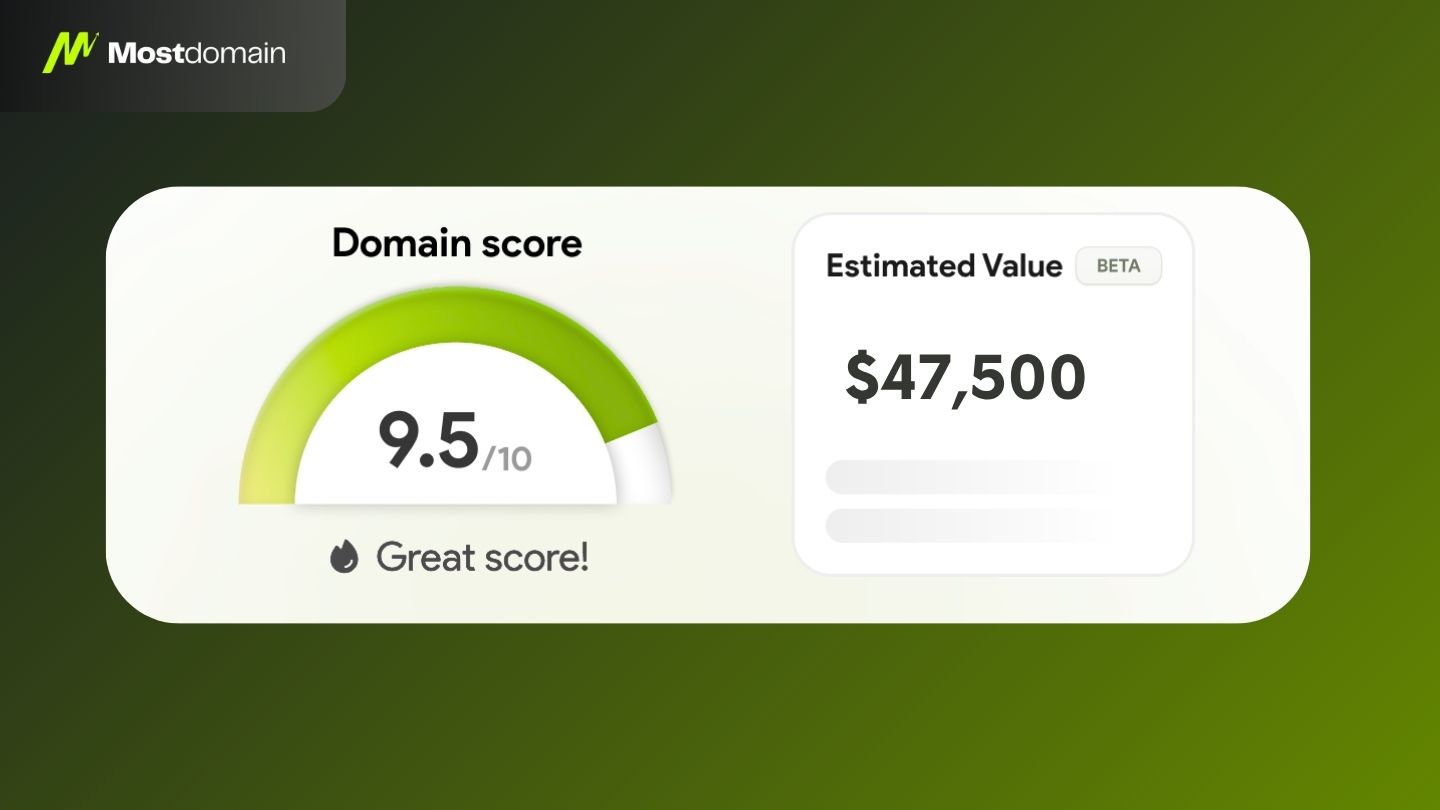
Selling through a domain auction is one of the fastest ways to convert idle domains into real revenue. Start with a domain appraisal using NameBio or Estibot to understand current market value before setting your reserve price.
Select a platform that fits your domain type and target audience. Short names, strong keywords, and .com extensions consistently attract the most competitive bidding. A featured or promoted listing increases exposure and speeds up the sale significantly.
Key Terms Every Participant Should Know
| Term | What It Means |
| Reserve Price | Minimum amount the seller will accept |
| Proxy Bidding | Auto-bidding up to your preset maximum |
| Bid Increment | Minimum amount each new bid must exceed the last |
| Auction Closing Time | When bidding ends; auto-extends if late bids arrive |
| Domain Appraisal | Estimating the fair market value of a domain name |
| Backorder | Reserving a dropping domain before it enters auction |
Frequently Asked Questions
What is a domain auction?
A domain auction is an online marketplace where domains are sold to the highest bidder. Sellers list with a starting bid, buyers compete, and the winner receives ownership after payment clears through escrow. It is the most common way premium domains change hands on the aftermarket.
What is a reserve price in a domain auction?
A reserve price is the minimum amount a seller will accept. If no bids reach that level, the auction ends without a sale. Setting a fair and realistic figure is essential to attracting genuine interest and completing a successful transaction.
Are domain auctions worth it?
Yes. Domain auctions give buyers access to premium names unavailable through standard registration. For sellers, competitive bidding regularly pushes final prices well above what a fixed-price listing would achieve, particularly for short, keyword-rich, or brandable domains.
What is proxy bidding?
Proxy bidding is an automated feature built into most auction platforms. You enter the maximum amount you are willing to pay and the system places the smallest bid needed to keep you in the lead. It keeps you competitive without requiring you to monitor every offer manually.
How do I find expired domains to bid on?
Browse marketplaces such as GoDaddy Auctions, NameJet, or Dynadot and filter by keyword, extension, price range, or domain age. Use NameBio to review historical domain auction sales data and identify names with proven market value before committing a bid.
Ready to Make Your Move
Domain auctions offer a transparent, market-driven way to trade one of the most valuable assets on the internet. Whether you are buying your first business domain or growing a portfolio, understanding the full process turns every opportunity into a smarter decision.
If you prefer skipping the bidding entirely, MostDomain gives you direct access to aged, high-authority domains at fixed prices, so you get premium quality without the uncertainty of a competitive domain auction.
References
- Spaceship. Domain Auction Guide for Investors. November 2025.
- Dynadot Blog. All About Domain Name Auctions. October 2025.
- Vodien. Domain Name Auctions Explained. July 2025.
- NameBio. Domain Name Sales History Database. 2025.
- Sedo. Domain Auction and Marketplace Guide. 2025.
- GoDaddy. How Domain Auctions Work. 2025.